EZCLOUDINFO / PRACTICAL TECHNICAL GUIDES
Explore the cloud.
Build with security in mind.
Hands on guides and experiments across Microsoft Entra, Purview, Microsoft 365 and AI security.
By Sathish Veerapandian. About me →
DEVOPSINFO ON YOUTUBE
Learn with me on YouTube.
Explore my videos and subscribe for future uploads.

Latest articles
-
From Technical Architecture to Business Value: Mapping AI Security Capabilities with Power BI
How to turn an AI security topology into a board-ready capability view using ArchiMate thinking, Microsoft Power BI, Microsoft Lists and traceability to Purview, Entra, Defender and Azure API Management.
-
Investigating Risky Microsoft 365 Copilot Usage with Microsoft Purview Insider Risk Management
A practical guide to investigating risky Microsoft 365 Copilot interactions with Microsoft Purview Insider Risk Management, Risky AI usage policies, DLP, and DSPM for AI.
-
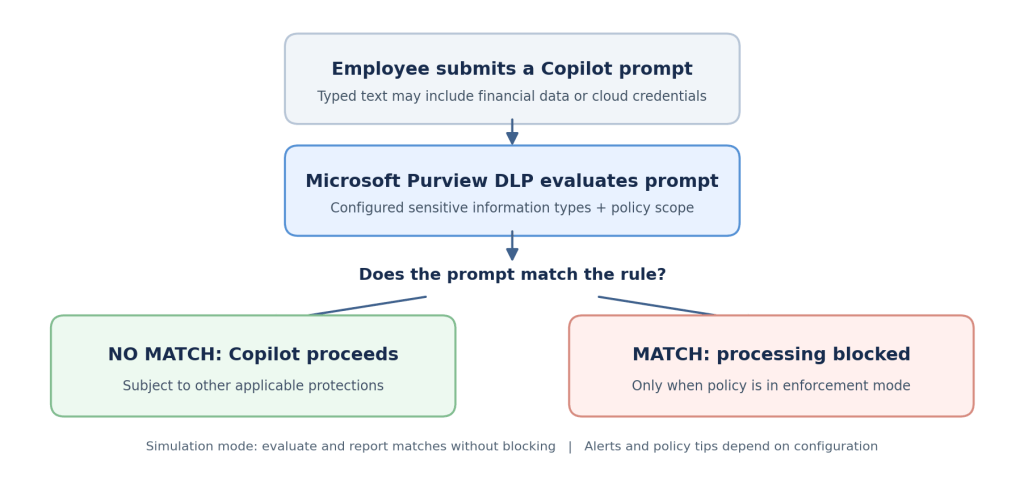
Securing Microsoft 365 Copilot Chat with Microsoft Purview DLP
Learn how Microsoft Purview DLP protects sensitive prompts in Microsoft 365 Copilot Chat, with business context, policy prerequisites, a tenant walkthrough and enforced blocking evidence.
-
From App Inventory to AI Governance: Building a Read Only Control Center with Microsoft Entra ID
I built a small AI Governance Control Center to explore application inventory, granted permissions, and control assessments. Here is what the working Entra ID integration can show today and what still needs evidence before calling…
-
From Guardrails to Controls: Getting Started with Azure AI Content Safety
In my previous article, “From Prompt to Privilege Practical Guardrails for Securing Agentic AI and MCP,” we looked at Agentic AI security from a broader architectural perspective.The key takeaway was simple: securing AI systems cannot…
-
From Prompt to Privilege: Practical Guardrails for Securing Agentic AI and MCP
AI agents don’t just answer anymore. They act and that changes the security model. For the last few years, most enterprise AI security discussions have focused on two questions: What information can users send to…
-
Getting Started with Azure Resiliency Agent: From Identifying Gaps to Planning Improvements
Deploying an application in Azure is only the beginning. The more important question is what happens when part of that application becomes unavailable.Can the application continue serving users if an availability zone fails? Is the…
-
Deploy Phi 4 mini on Azure Kubernetes Service with the AI Toolchain Operator (KAITO): Step by Step Guide
Running large language models on Kubernetes usually means dealing with GPU infrastructure, model serving, scheduling, networking, and operational complexity. Instead of calling a hosted LLM API, we will deploy an open source model directly on…
-
Zero Trust at the Device Level: Securing Endpoints, Internet Access, and Sensitive Data with Microsoft 365
Cybersecurity has shifted dramatically. Traditional perimeter defenses such as firewalls and VPNs are no longer enough to protect a workforce that operates across devices, networks, and locations. Today, the endpoint the laptop, mobile device, or…
-
Windows Hello Enhanced Sign in Security: The Hidden Layer That Makes Passwordless Truly Secure
Passwordless authentication is becoming the new standard for modern identity security. Windows Hello for Business already replaces passwords with biometrics and PINs but convenience alone doesn’t guarantee strong protection against credential theft. This is where…

